Cyber Attack Disables Refrigeration at Major French Supermarkets
Hackers targeted major French supermarkets, disabling refrigeration systems and causing food spoilage. An investigation is underway to assess the damage.
In this article
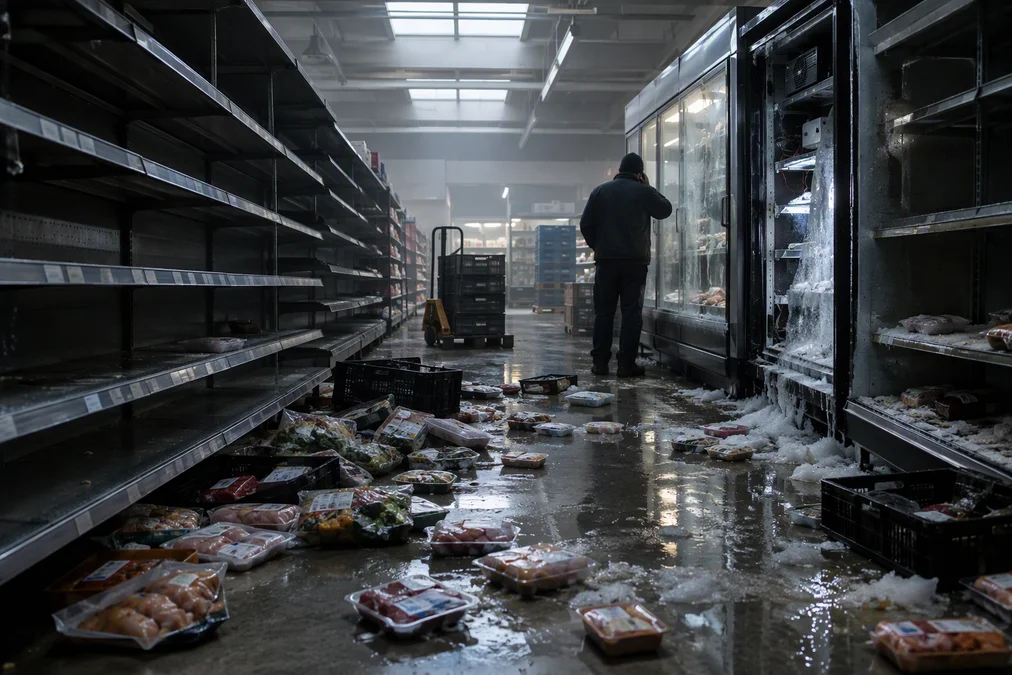
Hackers targeted some of France’s largest supermarket chains in an unprecedented cyber attack on 8 October, causing fires and food spoilage across numerous locations. The attackers remotely raised the temperature of refrigeration systems to 50°C, disabling fridges in hundreds of shops, according to a report by BFMTV.
The affected stores included at least 300 Intermarché and Netto locations, along with over 100 Cooperative U outlets and several E Leclerc stores. Dominique Schelcher, the CEO of Coopérative U, described the incident as extremely serious, emphasizing the importance of refrigeration equipment for preserving fresh produce and ensuring food security. He stated, “Targeting equipment essential to the preservation of fresh products and to the food supply of the French people is extremely serious and is unprecedented. It is unacceptable.”
The attack prompted Paris prosecutors to open an investigation to identify victims and assess the damage related to food losses and reported fires. Affected supermarkets were instructed to dispose of all perishable goods. The national loss is not yet quantified but could reach tens of millions of euros, as reported by Le Monde.
Additionally, E Leclerc indicated that a cyber attack impacted one of its refrigeration equipment suppliers, resulting in operational disruptions at several stores. Reports from supermarket staff detailed the experience of encountering waves of hot air upon opening freezer doors the following morning, with some fridges displaying temperatures exceeding 26°C.
The Danish manufacturer Danfoss, whose refrigeration control systems were targeted, noted that many affected units were legacy products lacking current software and security updates. Danfoss confirmed that it had long advised supermarkets to upgrade from these outdated models.
French authorities are working with their European counterparts to address potential vulnerabilities and alert other companies that could be at risk. Earlier, French Prime Minister Sébastien Lecornu’s aides stated that the country’s cyber security agency had identified a vulnerability in the software supplied by Danfoss.
This incident raises broader concerns about the potential impact of cyber attacks on critical infrastructure in various sectors across Europe. The sophistication of this attack suggests a level of planning and capability that could pose serious risks to food security.
The attack bears resemblance to disruptions reported at U.S. military commissaries in late August, which also resulted in food losses. Although the exact cause of the U.S. incidents remains unclear, they indicate a concerning trend involving the targeting of refrigeration systems.