SEBI: Warns investors against fraudulent WhatsApp groups
SEBI says unregistered operators use false profit claims and planted endorsements to sell stock tips as free investor education, and advises investors to use only registered intermediaries.
In this article
Listen to this article
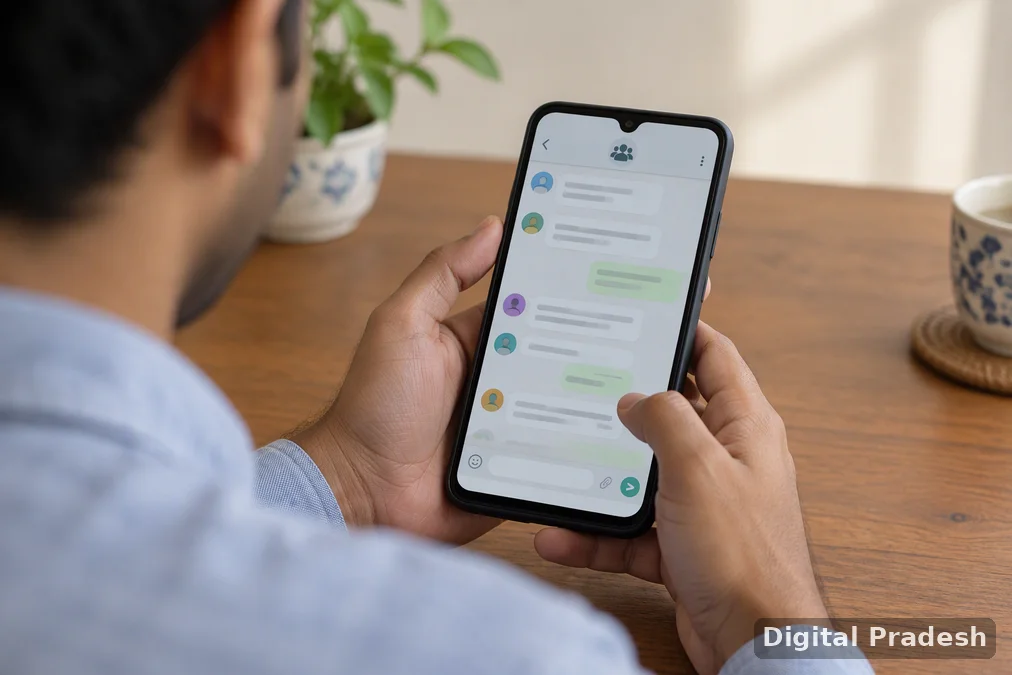
The Securities and Exchange Board of India (SEBI) has cautioned investors against invitation-only WhatsApp groups that offer stock recommendations in the name of free investor education, according to The Economic Times Legal. The regulator said operators use false profit claims and planted endorsements to make their trading calls appear credible.
The Economic Times Legal reported that SEBI identified unregistered persons offering these recommendations. Operators often use overseas WhatsApp numbers and pose as market experts, while other members working with them post messages praising their advice.
SEBI’s warning concerns fraudulent closed groups in which apparent approval from fellow investors may be manufactured. According to The Economic Times Legal, the regulator cautioned against treating messages containing praise, profit claims or trade confirmations as evidence that a recommendation is reliable.
Planted endorsements and replacement groups
SEBI described this coordinated promotion as “astroturfing”, The Economic Times Legal reported. In these groups, the term refers to false endorsements presented as genuine support from investors.
Members acting with the operators post claims that they have profited from the supposed expert’s recommendations, according to SEBI’s statement as reported by The Economic Times Legal. The regulator said this creates a misleading impression of credibility and induces other investors to act on the trading call.
The warning also addresses what happens after enforcement agencies or regulators take action against such groups. SEBI said members may be contacted from a new number and invited to a replacement group, The Economic Times Legal reported. Operators explain the previous group’s closure by blaming restrictions imposed by the social media platform.
In a message cited by SEBI and reproduced by The Economic Times Legal, an operator attributed the ban to the platform’s risk-control measures and promised daily stock recommendations and trading guidance in the new group. The regulator identified messages announcing a group’s suspension, closure or ban and inviting members elsewhere as warning signs.
According to the report, SEBI advised investors not to join invitation-only groups operated by unknown people or individuals presenting themselves as stock-market experts, particularly those using overseas numbers. It also advised against opening accounts on, or transferring money to, trading platforms and applications recommended by these groups.
The regulator’s warning covered information shared with operators as well as money transferred to them. SEBI advised investors not to disclose their investment holdings or trading-account details, The Economic Times Legal reported.
SEBI called on investors to deal only with registered intermediaries and use authentic trading applications, according to the report. It said investors could check intermediaries’ registration status through its website.
From social media messages to fictitious profits
A separate SEBI investor-awareness document, titled “Beware of Fake Trading App Scams!”, explains how social media promotions can lead investors into applications that display invented profits.
The document describes advertisements on WhatsApp and Telegram promising high returns as the initial attraction. Supposed experts then build trust by sharing analysis, purported successful track records, screenshots and initial successful stock tips.
According to SEBI’s document, the operators subsequently introduce a fake trading application. Once victims download it and commit money, the app shows profits that encourage them to invest more.
The next stage involves pressure to increase the amount invested or to borrow from the operators, the document says. When victims attempt to withdraw their money, withdrawals are blocked and operators introduce excuses and fees. SEBI’s description ends with the app becoming dysfunctional and the fraud being exposed.
The document identifies unverified application links or installation files, payments to third-party accounts and promises of guaranteed securities-market returns as warning signs. It directs investors to exchange websites or the registered mobile trading applications section of SEBI’s investor website to check platform legitimacy.
For reporting suspicious activity, SEBI’s document identifies the cyber cell, the I4C helpline 1930 and the national cybercrime reporting portal.
Listed shares can also be used in manipulation
A Singapore Police Force advisory dated 11 August 2021 documents a different risk associated with online stock-tip groups: investors may be persuaded to buy genuine listed shares whose prices are being manipulated.
The advisory describes a “pump and dump” scheme as one in which fraudsters artificially inflate a company’s share price through false positive information or an appearance of trading activity. As other investors buy and the price rises, the fraudsters sell their shares. Once the manipulation stops, the price falls, leaving those investors with losses.
Singapore police described chat-group operators who presented themselves as investment experts offering free trading advice. To establish trust, they sometimes first recommended shares whose prices subsequently moved as predicted.
After gaining members’ confidence, operators would announce a supposedly high-quality company and urge the group to purchase its shares immediately, according to the advisory. Police said victims were also asked to send screenshots of their completed transactions.
Singapore police believed those screenshots enabled group operators to claim payments from the scheme’s organisers for persuading people to buy the recommended shares. That explanation was the police’s assessment, rather than an established finding about every group using such requests.
The Singapore advisory concerns separate cases; it does not establish that the groups described in SEBI’s warning were involved in those schemes. Its account distinguishes losses on manipulated exchange-listed shares from the fictitious balances displayed by fake trading applications.
In the cases detailed in the 2021 advisory, Singapore police said seven victims bought more than 49,000 shares in a US-listed company following a supposed expert’s recommendation. Within two days, the share price fell almost 80 per cent, leaving the victims with losses.

Please log in to leave a comment.


