Telecom eServices Portal: DoT designates sandbox platform
DoT's 21 October notification designates the Telecom eServices Portal for implementing the 2026 sandbox rules digitally, but does not approve any trial or set out application requirements.
In this article
Listen to this article
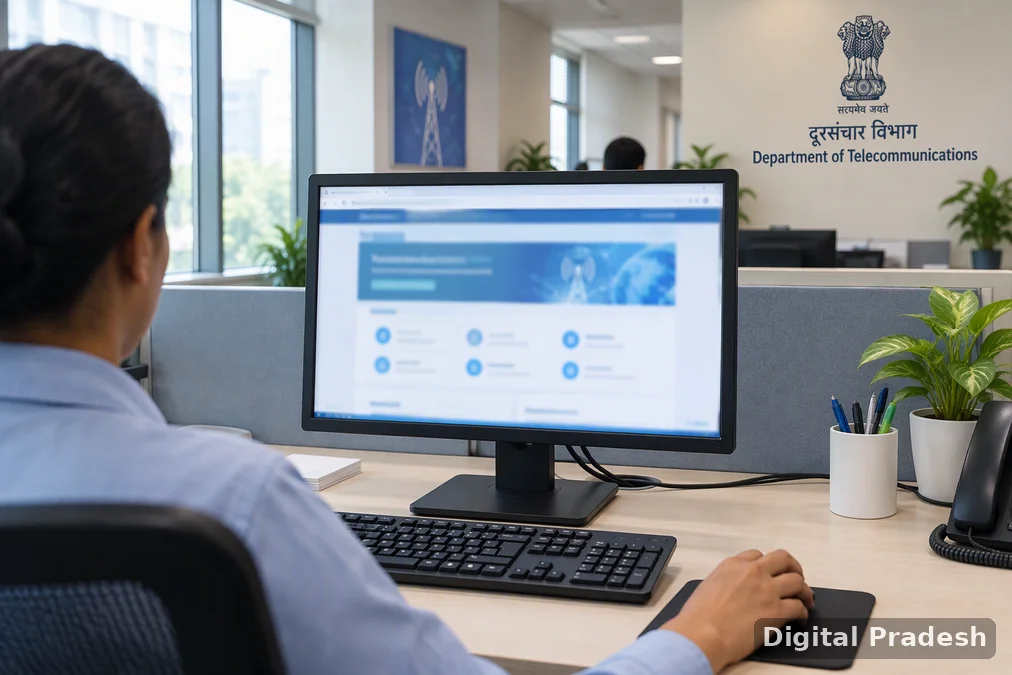
The Department of Telecommunications (DoT) has designated its Telecom eServices Portal for digital implementation of the Telecommunications (Regulatory Sandbox) Rules, 2026, through a notification dated 21 October 2026. Published in the Gazette of India, notification S.O. 5737(E) invokes rule 12 of those rules to name the department’s platform.
The notification identifies the digital channel for implementing the sandbox framework. It does not announce approval of a particular trial, name participating companies or specify which technologies have been cleared for testing.
The designation places sandbox implementation on a platform that, according to DoT’s portal description, also brings together telecom authorisations, licences, permissions and infrastructure-related services. The department says the Telecom eServices Portal consolidates more than 20 existing service portals into a common interface.
What a telecom regulatory sandbox does
A regulatory sandbox provides a controlled setting for testing innovations under specified regulatory relaxations. Section 27 of the Telecommunications Act, 2023, as reproduced in the Telecom Regulatory Authority of India’s (TRAI) recommendations dated 25 April 2025, describes a live testing environment for new products, services, processes and business models involving a limited set of users for a specified period.
The distinction from laboratory testing matters. In that document, TRAI explained that some products need testing on actual telecom networks before reaching the market. Such trials may require regulatory relaxations beyond those relating to spectrum, the radio frequencies used for wireless communications.
DoT’s Spectrum Regulatory Sandbox page describes an initiative intended to let startups, telecom operators and technology companies experiment with wireless technologies on specific spectrum bands. It identifies fifth-generation mobile technology, or 5G, the Internet of Things – connected devices that exchange data – and artificial intelligence-driven wireless applications as areas for development.
The same page says participants must comply with DoT guidelines and ensure that tests neither interfere with public networks nor compromise user safety. These are the department’s stated conditions for the initiative, not findings about the performance of any completed trial.
A shared interface for telecom services
According to the Telecom eServices Portal’s homepage, the platform is designed for telecom service providers, infrastructure providers, equipment manufacturers, internet service providers, government agencies and other telecom stakeholders.
The department describes a single sign-on facility through Jan Parichay, allowing access to integrated services with one set of login credentials. Its general registration guidance says applicants must also create a detailed profile according to the requirements of the service for which they apply.
The portal’s general application guidance describes online submission of details and supporting documents. Its status section provides updates on approvals, payments, rejections and pending actions, according to DoT. The department also lists dashboards and reports covering application processing and other regulatory activity.
These are descriptions of the platform’s wider functions. The 21 October notification does not itself prescribe a sandbox application form, supporting-document checklist or processing deadline.
The portal also carries services for frequency assignments and experimental, manufacturing and demonstration licences. DoT describes the latter as regulatory clearances for entities engaged in research, development and related activities. Their listing alongside the sandbox service does not mean the notification merges those separate permissions.
Consultation preceded the portal designation
The policy work predates the October notification. In its response dated 25 April 2025, TRAI recorded that DoT had sought recommendations on a telecom regulatory sandbox framework on 10 March 2023. TRAI issued a consultation paper on 19 June 2023 and sent its recommendations to the department on 12 April 2024.
Separately, DoT’s Monthly Summary for the Cabinet for November 2024 recorded publication of draft Telecommunications (Regulatory Sandbox) Rules in the Official Gazette on 28 November 2024. The summary said objections and suggestions were invited within 30 days of publication.
Those were draft rules for consultation. The new portal notification expressly cites the Telecommunications (Regulatory Sandbox) Rules, 2026.
TRAI’s April 2025 response also records that DoT referred some recommendations back to the regulator on 19 March 2025 because the department considered that they might not be accepted or required modification. That exchange concerned the design of the framework, rather than the subsequent choice of portal.
Network access and regulatory oversight were debated
One issue in the 2025 exchange was whether innovators would always need to associate with an existing telecom provider.
According to DoT’s views reproduced in TRAI’s response, an applicant whose product did not require such an association could apply directly to the licensing authority. TRAI acknowledged that approach, noting that an applicant might not need an authorised provider’s testing environment or might be unwilling to share product or service details with that provider.
The institutions also differed over the procedure for relaxations involving TRAI’s own regulatory framework. DoT proposed sending TRAI a copy of a sandbox permission where relaxations under the TRAI Act or instruments made under it were required, according to the response.
TRAI said it should instead be consulted before such a relaxation was granted and should convey the specific relaxation to DoT. Those positions are documented recommendations and responses from 2025; the portal designation does not establish how they were resolved in the final framework.
For prospective participants, the 21 October notification settles which platform is designated for digital implementation. It does not set out application fees, eligibility conditions, trial duration or the exemptions available for an individual test.

Please log in to leave a comment.


